What Does a Podiatrist Do and When Should You See One?
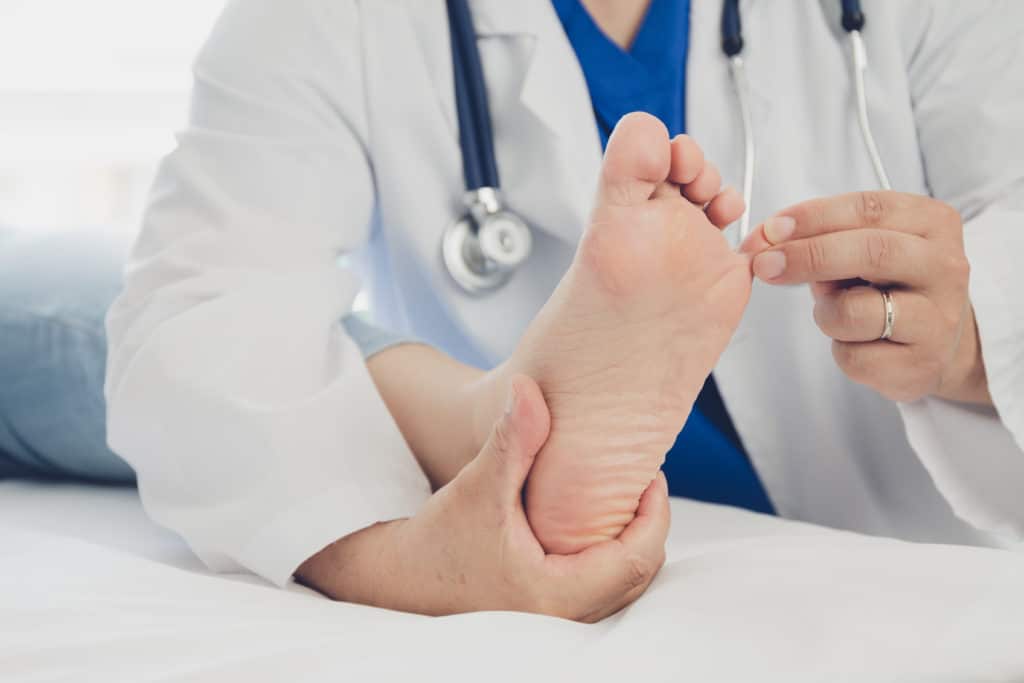
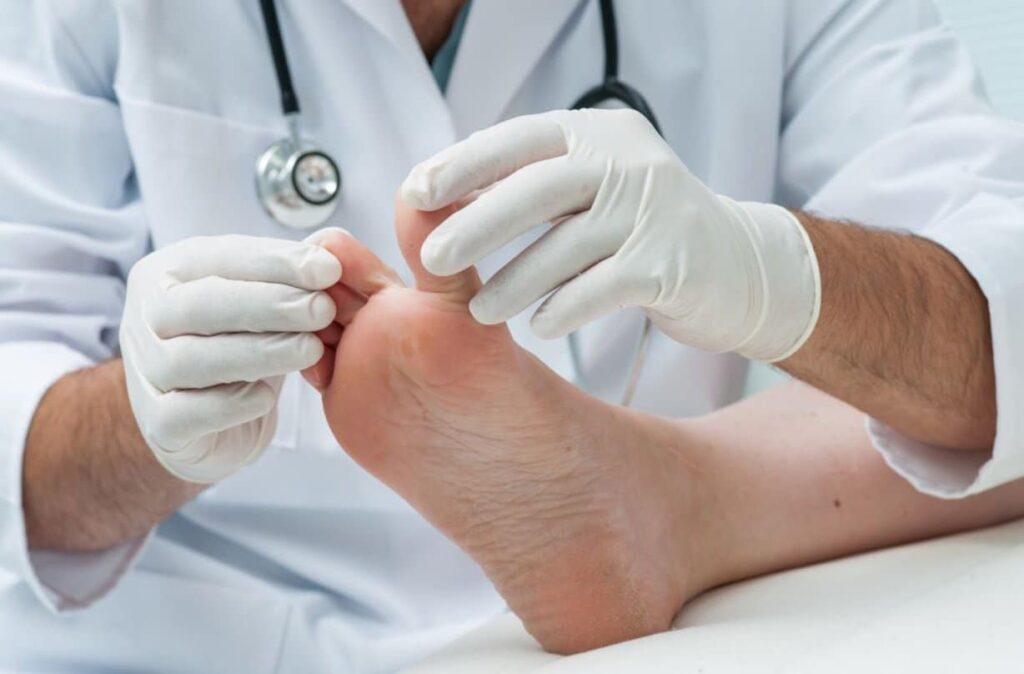
A podiatrist is a physician who diagnoses and treats conditions of the foot and ankle, from heel pain and ingrown toenails to sports injuries, warts, and diabetic foot problems.
Gout is a common cause of sudden big toe joint pain, but it is not the only one. Bunions and hallux rigidus build gradually, turf toe and sesamoiditis follow activity or injury, and a joint infection can look like gout.
Gout flare treatment usually combines rest, ice, elevation, and an anti-inflammatory medication chosen with your doctor, and most flares improve within days once treatment starts.
Gout is a form of inflammatory arthritis caused by uric acid crystals forming inside a joint, and the big toe is its most common target. A flare usually starts suddenly, often overnight, with intense pain, swelling, redness, and warmth.
Most foot injuries heal well with the right care and patience, but healing that stalls, or pain that lingers well beyond the expected timeline, is worth having evaluated.
Foot melanoma is often found later than skin cancer elsewhere, which is why knowing the warning signs matters. Any new, changing, unusual, or non-healing spot on your foot, or a dark streak under a nail, should be checked.
Body changes from pregnancy can lead to swelling, faster-growing or differently textured nails, flatter or longer feet, leg cramps, and changes in skin and veins. Most of these changes are normal and ease after delivery.
The best shoes for your feet fit well, support your arch, and cushion your heel. Look for a roomy toe box, firm heel support, a supportive but flexible sole, and the right fit measured later in the day when feet are largest.
A warm foot bath can ease tired, aching feet, soften rough skin, and help you relax. Most people can soak safely, but if you have diabetes, nerve changes, or open sores, you should take extra care or check with a podiatrist first,
Your digestive system and your feet are connected through nutrition, inflammation, and circulation. When digestion falters, your body may absorb fewer of the nutrients that keep skin, nerves, and bones healthy, and some digestive conditions carry joint or nerve symptoms that reach the feet.