
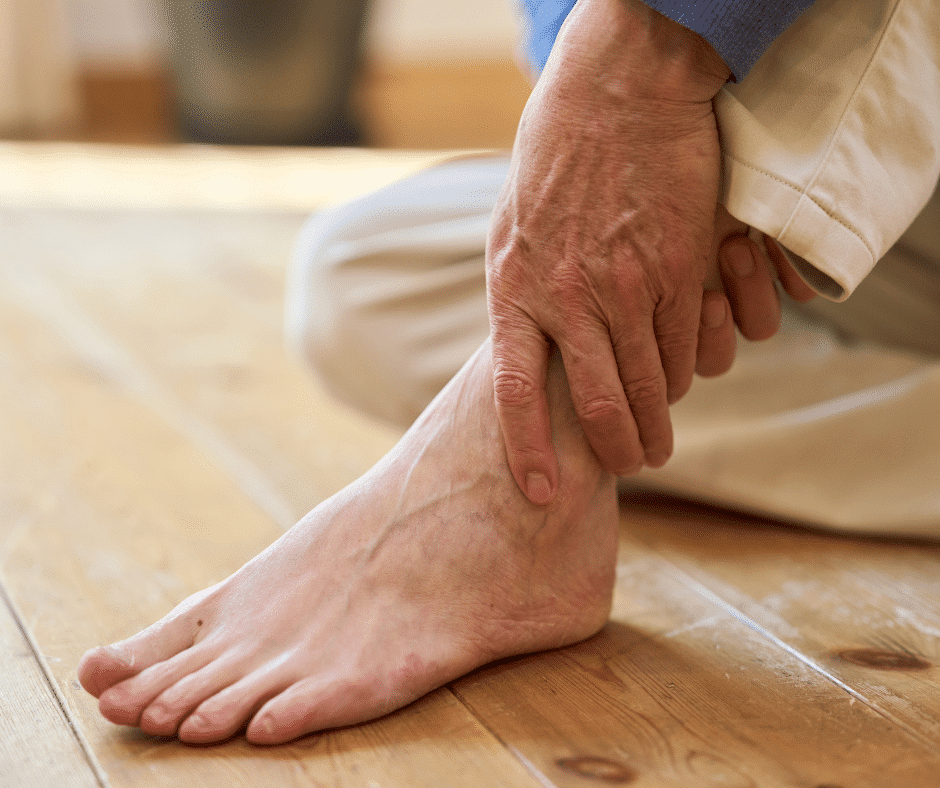
If you have noticed a stiff, grinding sensation in your big toe or a dull ache in your ankle after a St. Patrick’s Day parade, you might be dealing with the early stages of arthritis. Yes, many of our patients at CarePlus Foot & Ankle Specialists get arthritis in their feet and ankles, too! Not many people know that’s possible, which is why we’re spreading awareness on the most common forms of foot and ankle arthritis and how to prevent them.
The Three Most Common Types of Foot Arthritis
While there are many forms of joint inflammation, most people experience one of these three common types:
- Osteoarthritis: This is the wear-and-tear variety. Over time, the smooth cartilage that cushions your joints thins out. You will often feel this in your big toe or the middle of your foot. It usually develops gradually as you get older or if you have spent years in unsupportive shoes.
- Post-Traumatic Arthritis: If you suffered a bad ankle sprain or a foot fracture years ago, you are at a much higher risk for this type. Even after the bone heals, the joint surface may not be perfectly smooth, which leads to quicker wear.
- Rheumatoid Arthritis: This is an autoimmune condition where your body’s immune system mistakenly attacks the lining of your joints. In the feet, it often causes swelling, warmth, and your toes to shift.
Eat Healthy Foods to Prevent Foot and Ankle Arthritis
It’s National Nutrition Month, which is an extra reason to use your grocery cart as a tool for prevention. Just like with any arthritis, systemic inflammation is the enemy of your joints.
But, by switching to a Mediterranean diet and loading up on anti-inflammatory foods like fatty fish, walnuts, and leafy greens, you are providing your body with the omega-3s and antioxidants it needs to protect your cartilage.
Wear Better Shoes to Take Pressure Off Joints
Another great way to prevent arthritis is to stop the mechanical grinding before it starts. If your feet are flat or your arches are high, your joints are likely absorbing more impact than they were designed for.
That’s why you should invest in high-quality footwear that matches your activity level.
Custom orthotics can also act as a shock absorber that takes pressure off your joints. By correcting your alignment now, you prevent the bone-on-bone friction that leads to long-term damage.
Stay Active to Prevent Joint Stiffness
And finally, movement is a natural medicine for arthritis. Your joints rely on motion to circulate the fluid that keeps them lubricated.
However, if you already have joint sensitivity, you should pivot toward low-impact activities. Swimming, cycling, and yoga allow you to maintain your range of motion and strengthen the muscles around your ankles without going overboard.
For any podiatric concerns you’re dealing with, see Dr. Hubert Lee and the team at CarePlus Foot & Ankle Specialists for guidance and advice. You can schedule an appointment online or call today at 425-455-0936.