
Flat Feet Treatment in Bellevue
Flat feet are common, and many people never develop symptoms. But when they cause aching arches, tired feet, or pain that reaches the knees, hips, or back, the cause should be identified and treated. Dr. Hubert Lee determines why your arches are flattening and relieves the strain with conservative care.
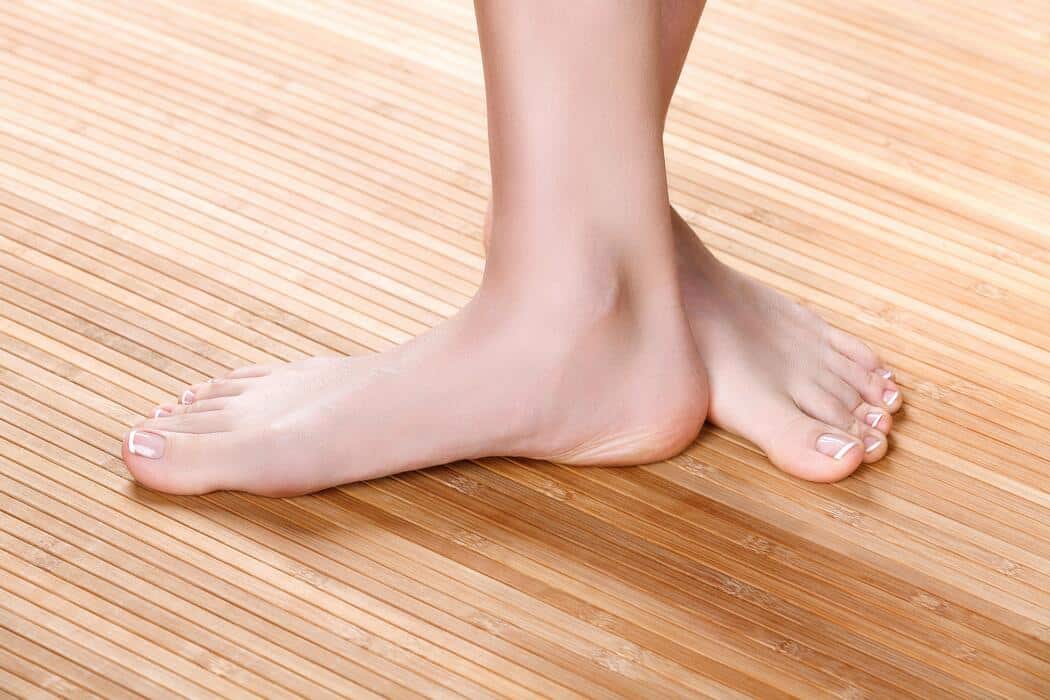
Flat feet, also called fallen arches or pes planus, occur when the arch on the inside of the foot is low or rests flat against the ground. They become a concern when they cause pain or fatigue, or when the loss of arch support starts to affect how you stand and move.
What are flat feet?
A flat foot has an arch that is low or collapses under weight. Flexible flat feet form an arch when you rise onto your toes and flatten when you stand, while rigid flat feet stay flat in every position.
The arch works like a spring, absorbing shock with each step. When it flattens, the foot rolls inward, a motion called overpronation, which can strain the foot, ankle, and the joints above them.
Symptoms of flat feet
Flat feet do not always cause symptoms. When they do, the common signs include:
- Aching or tired arches and heels, especially after standing or walking.
- Pain along the inside of the ankle or arch.
- Feet that roll inward, with shoes that wear unevenly on the inner edge.
- Swelling on the inside of the ankle.
- Pain that reaches the knees, hips, or lower back.
- Difficulty rising onto your toes, or one arch flattening more than the other.
What causes flat feet?
Flat feet may be present from childhood or develop later in life. Common causes include:
- Inherited foot structure, the most common cause.
- A weakened or injured posterior tibial tendon, which supports the arch.
- Wear on the arch over time.
- Injury to the foot or ankle.
- Pregnancy, added weight, arthritis, or diabetes.
- Tight calf muscles that pull the foot into a flattened position.
Posterior tibial tendon dysfunction
The posterior tibial tendon runs along the inside of the ankle and is the main support for the arch. When it weakens, becomes inflamed, or tears, the arch slowly collapses. This is the most common reason flat feet develop in adulthood, often called adult-acquired flatfoot, and it usually affects one foot.
The first signs are pain and swelling along the inside of the ankle and an arch that is visibly flattening. As it progresses, the discomfort can move to the outside of the ankle and the foot grows harder to correct. Because the condition worsens over time, early treatment matters. Bracing and custom orthotics can support the arch and take tension off the tendon before the flatfoot becomes rigid.
Our approach at CarePlus
Treatment depends on whether your flat feet cause symptoms and why the arch is flattening. For most people, conservative care is effective. Dr. Lee usually begins with supportive footwear and custom orthotics, which cushion and support the arch, control the inward roll, and distribute pressure more evenly. Stretching, strengthening, activity adjustments, and treatment of any related heel pain are added as needed. Surgery is reserved for severe or rigid cases that do not respond to conservative care.
What to Expect at Your Visit
Your visit begins with a history and a hands-on exam. Dr. Lee examines how your arch behaves when you stand and rise onto your toes, checks the posterior tibial tendon and the flexibility of the foot, and observes how you walk. Imaging is ordered only when it will change the treatment plan. You will leave with a clear explanation of what is causing your symptoms and a specific plan, which for active patients may incorporate our sports medicine care.
Why choose CarePlus for flat feet
Flat feet range from flexible to rigid and stem from different causes, so the right treatment is rarely one-size-fits-all. Dr. Hubert Lee is a board-certified, fellowship-trained podiatrist with more than 15 years of experience, and he treats flat feet conservatively. Patients across Bellevue, Redmond, Kirkland, Mercer Island, Issaquah, Sammamish, and the greater Seattle area come to CarePlus for that care.
Frequently Asked Questions About Flat Feet
How do I know if my flat feet are a problem?
Flat feet are only a concern when they cause symptoms. Signs to watch for include aching or tired arches, pain on the inside of the ankle, shoes that wear unevenly on the inner edge, and pain that reaches the knees, hips, or back. If your feet feel fine, treatment is usually not necessary.
Can flat feet be fixed?
In adults, the arch itself cannot be rebuilt without surgery, but the symptoms respond well to treatment. Supportive footwear, custom orthotics, and targeted exercises relieve pain and improve function for most people. Surgery is reserved for severe or rigid cases.
Do orthotics really help flat feet?
Yes. Custom orthotics support the arch, control the inward roll, and distribute pressure more evenly, which reduces strain and relieves pain. They are one of the most effective non-surgical treatments for symptomatic flat feet.
Can I run with flat feet?
Most people with flat feet can run and stay active, particularly in supportive footwear with orthotics. If running causes pain, a gait evaluation can identify what to adjust.
When should I see a podiatrist about flat feet?
See a podiatrist if flat feet cause pain or swelling, if your arch is changing or collapsing, if one foot appears flatter than the other, or if the strain is affecting your knees, hips, or back.
Aching arches or tired feet? Get them evaluated.
Find out what is causing your symptoms and how to relieve them. Schedule a visit with Dr. Lee at CarePlus in Bellevue.