
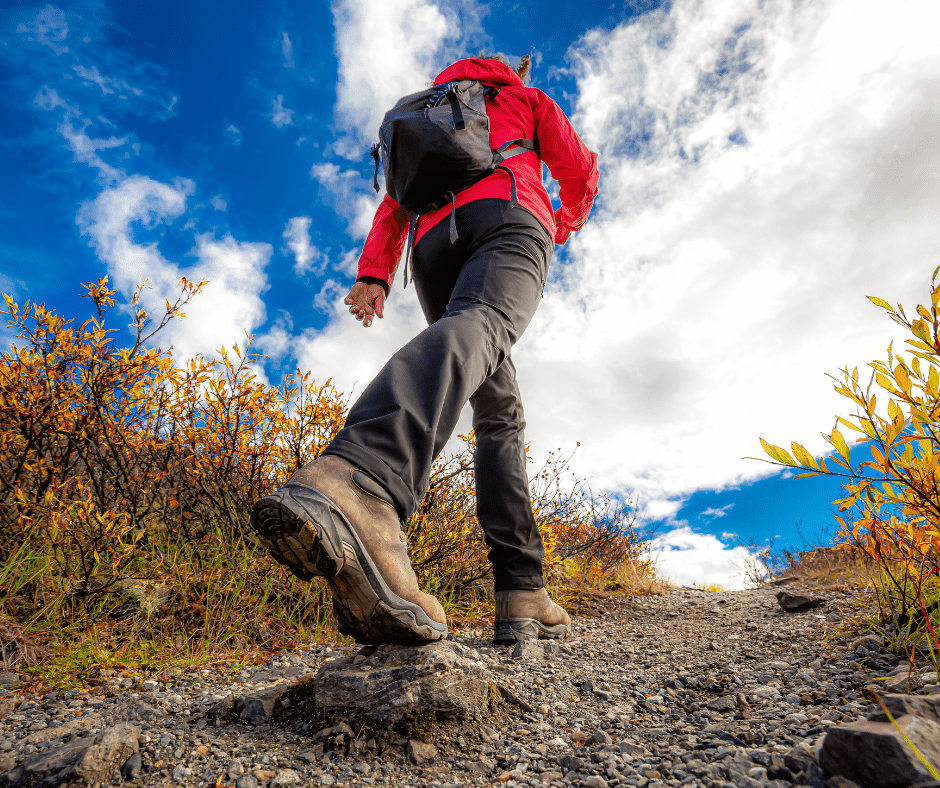
The mountain trails are calling your name this Spring. But before you grab your pack and head for the woods, you need to think about what is happening at the ground level. With a chaotic mix of leftover ice, deep mud, and loose rocks uncovered by the spring thaw, we at CarePlus Foot & Ankle Specialists want your feet and ankles to be safe from sprains, blisters, punctures, and everything in between the toes. Continue reading to find out how to kick off hiking season safely.
Stay Dry
Wet feet. The biggest threat to your feet this season is moisture, and the trails in Washington are notoriously soggy. And, when your skin stays damp, it becomes soft and prune-like, which makes it vulnerable to friction (say hello to blisters that can end your hike miles before the summit) and fungal infections.
To stay protected, you should strictly avoid cotton socks, which hold onto water like a heavy sponge. Instead, choose high-quality merino wool socks that pull moisture away from your skin.
If you know you are heading into high-water areas, consider using a pair of waterproof gaiters to keep mud and slush from sliding down into the top of your boots.
Save Your Toenails
Many hikers focus so much on the climb that they forget about the journey back down. This is where your toes take the most abuse. As you descend, your feet naturally slide forward inside your boots. And if your shoes are too tight or your laces are loose, your toes will repeatedly slam into the front of the toe cap (consider custom orthotics to act as a wedge and comfort boost).
This can lead to those painful black and blue bruises under the nail. That’s why, before you even leave your car, you should make sure your toenails are trimmed nice and short.
Also, when you reach the peak and get ready to head down, take a moment to tighten your laces around the ankle and midfoot. This locks your heel into the back of the boot and prevents your foot from sliding forward.
Navigate Hidden Hazards
Spring terrain is deceptive. A pile of wet leaves might be hiding a slick patch of ice, and a deep puddle might be masking a sharp, jagged rock. While ankle stability is important, you also need to focus on overall foot protection. For instance, a boot with a stiff rock plate in the sole will prevent sharp debris from bruising the bottom of your feet.
You should also consider using trekking poles for better balance. They act like a second set of legs and give you extra points of contact to stabilize your gait when the ground feels like it is moving under you.
For any podiatric concerns you’re dealing with, see Dr. Hubert Lee and the team at CarePlus Foot & Ankle Specialists for guidance and advice. You can schedule an appointment online or call today at 425-455-0936.